Outdoor Court Adventures: Era Pickleball’s Nearby Options
@holdenaodr866
September 30, 2026 · 14 min read
A brisk spring morning finds me scouting the options for outdoor pickleball near Era Pickleball. The sport has a way of turning small pockets of suburban space into gathering places where voices rise with the sound of paddles, nets snapping taut, and the quick chatter that signals a good rally is about to begin. My years of playing, coaching, and organizing casual leagues have taught me that the value of a court isn’t just the quality of the surface or the shade under the trees. It’s the entire ecosystem around it: the people who show up, the cadence of matches, the coaching you can access, and how easy it is to book, pay, and show up ready to play.
Era Pickleball has built a recognizable footprint in several communities by offering a blend of indoor and outdoor experiences, with options that fit casual drop-ins, serious club members, and families curious about a new sport. The question, of course, remains the same for anyone new to the area or returning after a busy stretch: where can you play, what will you find there, and how does it fit with your goals for sport, social life, and even a little healthy competition?
Let’s walk through the practical reality of locating, evaluating, and enjoying pickleball near Era Pickleball. I’ll weave in concrete details from real-world play and club life, not glossy marketing lines. If you’re reading this and you already know the name Era Pickleball and its nearby facilities, you’ll recognize the blend of outdoor courts, indoor options, and the social infrastructure that often determines how much you’ll actually enjoy the game.
A day at the outdoor courts: texture, sun, and the first bounce
Outdoor pickleball has a character that indoor courts can’t replicate. The sun, wind, and even the occasional insect create a dynamic that demands different tactics and mental shortcuts. My first memory of a perfect outdoor morning came on a crisp Saturday when the courts were dry, the net was at the right height, and the first rally felt like a whisper turning into a shout as I chased a drop shot that clipped the edge of a line.
What makes outdoor courts around Era Pickleball feel distinct are a few predictable elements. There’s the surface itself; you’ll find a mix of acrylic-coated pads and textured concrete in many parks. The bounce is often true, but it will vary with weather, sometimes going a bit slower after a light drizzle, sometimes faster after a hot sun dries the surface. Then there’s dust or leaf litter that can creep onto the lines and require a quick sweep before a critical point. It sounds minor, but the difference between a clean line and a slight grip on a fast shot can tilt a rally.
The weather window matters too. An hour after sunrise, the air tends to be cooler and the courts quieter. By late morning, you’ll see a steady stream of players arriving, a few with coffee cups in hand and a light, confident stride. In late afternoon, the light shifts and the court might glow with that amber glow that makes the white lines glow in relief. Those lighting conditions aren’t just aesthetics; they influence shot selection and the timing of your drive versus your drop.
If you’re new to Era Pickleball’s outdoor options, you’ll want to approach the first visits with a simple plan. First, scout the signage and the posted league or drop-in schedule. Outdoor venues often operate on a first-come, first-serve basis with limited time slots during peak seasons. Second, assess the crowd. Outdoor play digs a certain social rhythm. There’s a mix of older players who bring decades of technique and younger players who favor speed and deception. Third, check the amenities. Are there shaded benches, water stations, restrooms, and a place to change? Will you need a partner to reserve a court, or can you show up and form a group on the fly?
The social spine of outdoor play
One of the underrated benefits of Era Pickleball’s outdoor offerings is the social ecosystem that tends to form around the courts. Pickleball, in its best moments, is less about the score and more about the people you’re sharing the court with. You’ll find a mix of regulars who volley between clinics and casual sessions, neighbors who swing by after work, and families who rotate through a few hours of play before a picnic lunch. If you’ve ever joined a pickup day, you’ve likely encountered the same pattern: a few veterans who know the rhythm, some curious newcomers, and a core group that keeps the calendar moving.
From the first friendly rally with someone you’ve never met to the longer doubles games where you switch partners after a few points, outdoor pickleball fosters a pace that invites conversation. The best exchanges are often between points, when players trade quick tips about grip, stance, or where to aim a well-placed serve. The casual nature of outdoor play doesn’t mean it’s unserious. It simply reframes seriousness as a focus on improvement, not merely on winning.
If you’re seeking a more formal lane for your game, look for Era Pickleball’s leagues and clinics. Outdoor leagues can run in a few formats, from round-robin to fixed-week schedules, and they usually publish a calendar that includes sign-up windows. Clinics pull together players at similar skill levels for technique refinement, and they often feature short drills for serves, returns, and net play. The investment you make here—whether in time or a modest fee—pays off in the long run by accelerating your learning and expanding your social circle.
The indoor corridor: discipline, control, and climate
Indoor pickleball courts offer a different set of advantages and constraints. The weather is not a factor, the bounce is more predictable, and there’s a climate controlled environment that makes practice planning easier. For players who live in climates with volatile weather patterns, indoor facilities can be a sanctuary for continuous improvement. Era Pickleball’s indoor courts tend to attract a crowd of players who appreciate consistent conditions and a schedule that lends itself to regular practice sessions and booked courts.
In terms of decision-making, indoor courts are a strong option for players who want to tighten fundamentals: consistent serving cadence, precise rally sequencing, and a more predictable tempo for drills. If you’re building a practice routine, indoor spaces can help you isolate elements of your game without the interruptions that outdoor conditions bring. It’s not merely about chasing a perfect environment; it’s about designing time for deliberate practice.
But indoor courts come with trade-offs that are worth acknowledging. The social dynamic can skew toward a more competitive atmosphere, especially during peak hours when courts fill up and players form lineups or practice blocks. The air temperature and humidity can influence grip and shot feel, and you may need to adjust gear accordingly. For many players, the indoor-outdoor balance is essential. They spend certain seasons inside to refine technique and then move outdoors to test it in real-world conditions.
The infrastructure that makes good play possible
When you pair a well-maintained court surface with a credible booking system and a welcoming front desk, the experience shifts from “could be good practice” to “this is a reliable weekly habit.” Era Pickleball’s facilities often reflect a thoughtful blend of access and quality, with a focus on making resources accessible to a broad range of players. A well-run facility will typically offer:
- Clear court markings and net standards that stay taut and level, with quick adjustments available if nets sag or posts shift.
- A simple and transparent reservation process, whether you are booking online or via a front-desk sign-in, so you can plan your week without guesswork.
- Clean, functional amenities: restrooms or water stations, seating areas, shade structures, and adequate parking.
- A schedule that accommodates casual drop-ins alongside more structured activities like clinics or leagues.
- A responsive staff or volunteer base that can troubleshoot equipment, manage waitlists, and help with basic coaching tips.
The practical art of picking your spot
A lot of the decision-making comes down to a personal balance between schedule flexibility, surface preference, and the size of the community you want to join. If the goal is casual play with friends after work, then proximity and a predictable open court window might carry more weight than the exact surface or the presence of a snack bar. If the aim is to build a consistent training routine, you’ll value a longer booking window, a steady rotation of partners, and a calendar that makes it possible to lock in a weekly rhythm.
From a coaching perspective, I’ve found the most meaningful gains come when players expose themselves to a mix of formats. Outdoor drop-ins let you test your adaptability in real-world conditions with a diverse set of opponents, while indoor sessions offer structured repetition that can solidify technical adjustments. The sweet spot is a hybrid approach: spend a few weeks in a climate-controlled setting focusing on grip and footwork, then move outdoors to apply those improvements in a more dynamic environment.
A practical two-part approach to enjoying Era Pickleball near you
If you’re new to the area or just starting to explore your options with Era Pickleball, I’d suggest a two-part approach that keeps your schedule manageable while delivering real progress.
First, establish your baseline. Pick two outdoor sessions per week and one indoor session. Commit to two things in each session: a technical element you want to practice and a social objective, such as starting one new conversation or tagging along with a pickup game to meet two new players. This discipline creates measurable momentum and reduces the friction that often deters new players from returning.
Second, build a micro-season plan. A small three-to-six week window with a specific goal—improving your net play, refining a backhand return, or developing a serve-and-volley sequence—helps you track progress and stay motivated. After the window, reassess: did you gain confidence? Did your partner coordination improve? Did you discover a new nearby court that you enjoy?
Two practical lists to help you navigate the landscape (max two lists, five items each)
First list: quick checks before you commit to a court or a session
- Confirm the booking method and any required fees, including guest policies if you’re bringing a friend.
- Check court availability for the time window you want, and note any weather contingencies or rain-out policies.
- Observe the crowd during a practice lap if possible; take a mental note of the mix of skill levels and the general pace of play.
- Look for shade, water access, restrooms, and convenient seating to make long sessions comfortable.
- Ask about beginner-friendly clinics or social rounds so you can ease into the space with guidance.
Second list: quick comparisons if you’re choosing between indoor and outdoor experiences
- Surface consistency versus environmental variability: which matches your goals for technique versus adaptability?
- Scheduling flexibility: do you prefer the predictability of indoor blocks or the spontaneity of outdoor drop-ins?
- Social ecosystem: do you want a larger, more active community or a smaller, tight-knit group?
- Climate comfort: are you more sensitive to heat and sun or to indoor air quality and humidity?
- Cost and commitment: is the perceived value of membership, leagues, or lessons aligned with your budget and time?
Real-world trade-offs and edge cases you may encounter
No two seasons feel the same in pickleball. In spring and fall, outdoor courts can be spectacular, but a sudden warm-up or unseasonal rain can alter court conditions within minutes. In summer, the heat creates a physical toll that makes longer sessions feel more challenging; it also tends to reduce crowd size early in the morning and late in the afternoon, which can be a boon for players who want to practice with fewer distractions. In winter, indoor facilities become the anchor for consistent play, but you’ll trade the social cadence of outdoor meetups for a more controlled environment.
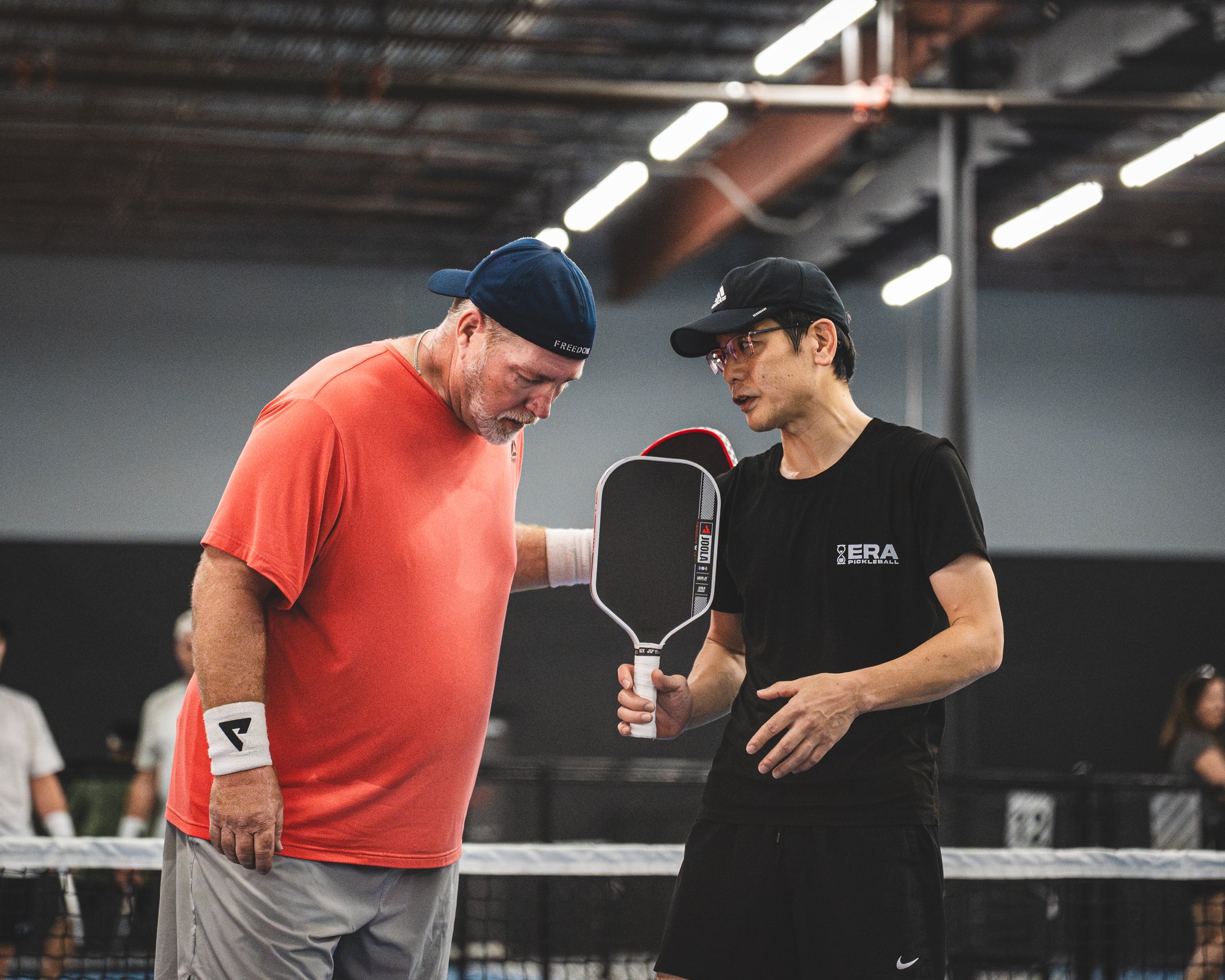
Edge cases often arise from how a venue handles equipment and etiquette. For instance, a court with bright sun in the late afternoon might require players to adjust their sightlines or shadows to avoid visual fatigue. A club with a large membership may manage waitlists with a fair rotation system, but miscommunication around sign-ups can lead to clashes or confusion. In my experience, the best organizations handle these situations with clear signage, an accessible calendar, and a courteous leadership team that welcomes questions and feedback.
What to expect from Era Pickleball’s broader ecosystem
If you’re curious about the broader Era Pickleball ecosystem, you’ll discover a deliberate blend of personalized service and community-building. The facilities are designed to be approachable for a wide range of players, from the curious beginner to the seasoned competitor. The coaching and programming, when available, tend to emphasize fundamentals that translate across formats—serve mechanics, return strategy, and controlling the tempo of a rally. When you see a flyer for a clinic or a league, there’s often a pragmatic focus: shot selection under pressure, movement off the ball, and partner communication during doubles.
I’ve seen players who started with a cautious, watchful approach to the game become confident with their drop shots and dinks after a few weeks of consistent participation. The transition from casual to competitive play is less about talent and more about routine and exposure. The best players I’ve coached learned to treat every session as an opportunity to adjust one thing at a time—one week it’s footwork, the next it’s paddle angle on a backhand drive. It’s this patient, incremental approach that makes the Era Pickleball pathway feel reliable rather than intimidating.
A personal note on clubs, lessons, and leagues
From my vantage point, a pickleball club within or near Era Pickleball is less a formal membership and more a social engine. It’s where you exchange tips, lend gear, and create friendly rivalries that push your game forward without the pressure of a tournament podium. Leagues provide structure and accountability in a way casual games cannot. They force you to adapt to different partners and to consider your strategy on a broader stage. Lessons, when approached with intention, accelerate improvement by giving you a framework for practice that translates into court confidence.
If you’re considering a deeper commitment, I’d encourage you to explore a trial period. Try one indoor block and a couple of outdoor sessions, sample a beginner clinic, and see how the rhythm of the court feels once you know the people and the schedule. A good club experience should feel like walking into a familiar room where you know the faces, the rules, and the pace of the game. If you leave with a few new friends, a couple of solid rallies under your belt, and a plan for the next week, you’ve found a working fit.
A few closing reflections drawn from the field
Pickleball is a sport that rewards modern habits—short, focused practice and regular social play—more than any grand, single breakthrough moment. The real gains come from consistent attendance, deliberate practice, and listening to the feedback you get from players who share the court with you. In the Era Pickleball ecosystem, you’ll be rewarded for showing up with a spare paddle in your bag and a willingness to lean into a new community. It’s not about conquering every shot on day one. It’s about stacking small improvements, week after week, until your advantage becomes obvious in the last exchange of a tight doubles match.
If you’ve been circling the idea of outdoor pickleball near Era Pickleball, the time to act is now. The outdoor courts will reward your patience with a rhythm that becomes almost second nature, while the indoor spaces offer a reliable stage for technique and repetition when the weather or daylight doesn’t cooperate. The blend of environments is what makes the Era Pickleball footprint so compelling: the possibility to test your instincts find out more on outdoor surfaces and then refine them in a controlled indoor setting.
In the end, the sport’s appeal rests in the ordinary moments that accumulate into meaningful progress. The sound of a paddle meeting a ball, the elbow-nudge as you chase a shot, the smile you share when a partner recognizes a well-executed strategy—these are the small investments that yield large returns on the court. Whether you’re chasing a new hobby, seeking a competitive edge, or simply looking for a social community around a weekend ritual, Era Pickleball’s nearby options offer a practical, livable path to a sport that rewards planning, presence, and a little bit of bravado at the net.